2026 SEASON

2026: 250 YEARS - THE SPIRIT OF AMERICA

The 2026 Chautauqua theme is 250 Years - The Spirit of America. The theme is designed to educate, enlighten, and entertain audiences of all ages, cultures, and socio-economic demographics. All events are free and open to the public.

Our historical figures include five influential figures who helped shape the nation: William Clark, Sojourner Truth, Washington Irving, Eleanor Roosevelt, and Lucille Ball. For five days, through daily workshops and evening monologues, our audience will explore the life and times of each character. With extensive research in primary and secondary source documents, journals and diaries, scholars immerse themselves in their characters’ lives to develop a historically accurate portrayal and the knowledge to respond to audience questions.

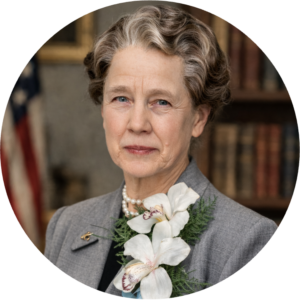
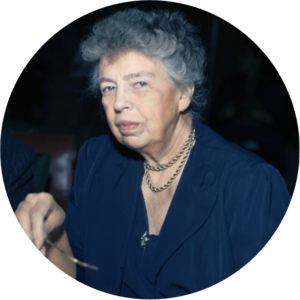
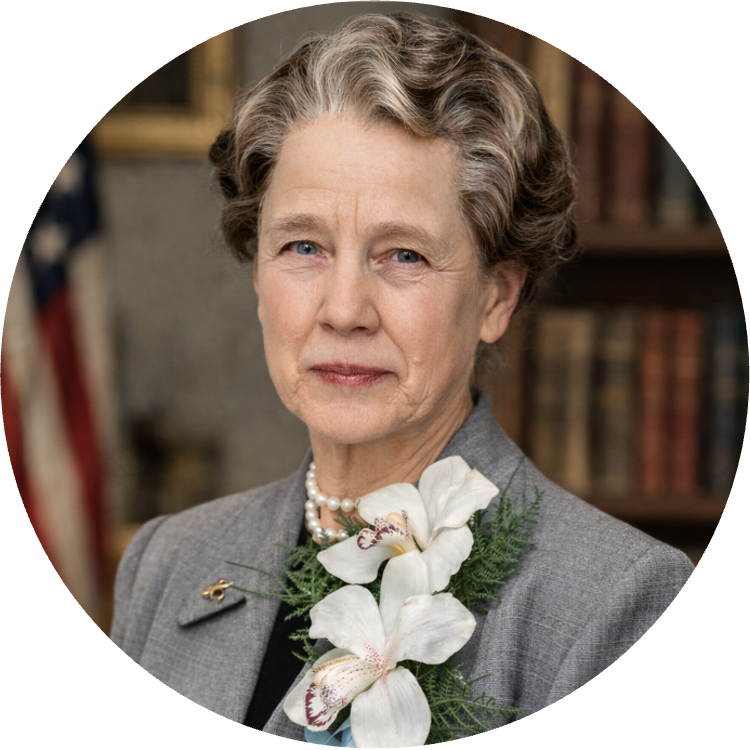
Suzie Marie Frontczak

ELEANOR ROOSEVELT

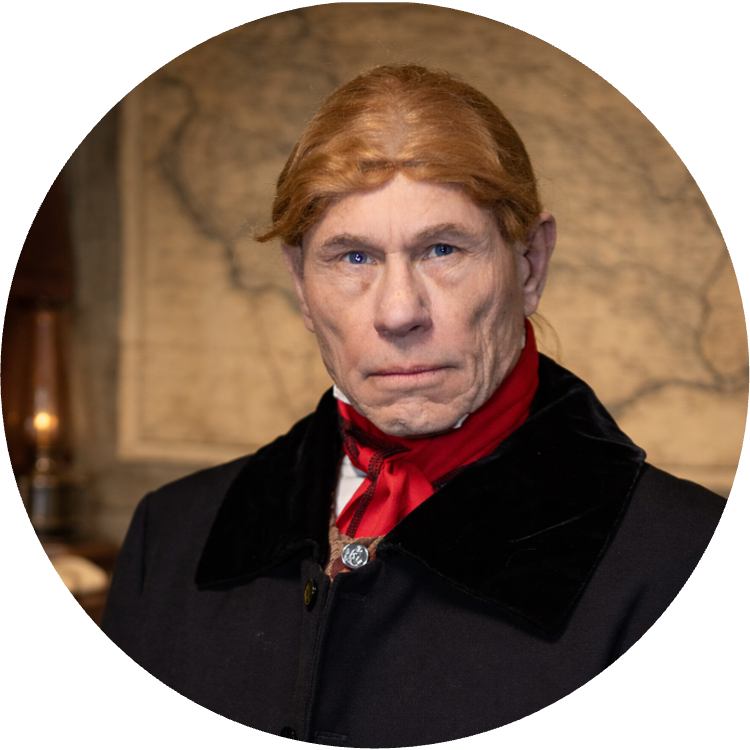
Dr. Doug A. Mishler

WILLIAM CLARK
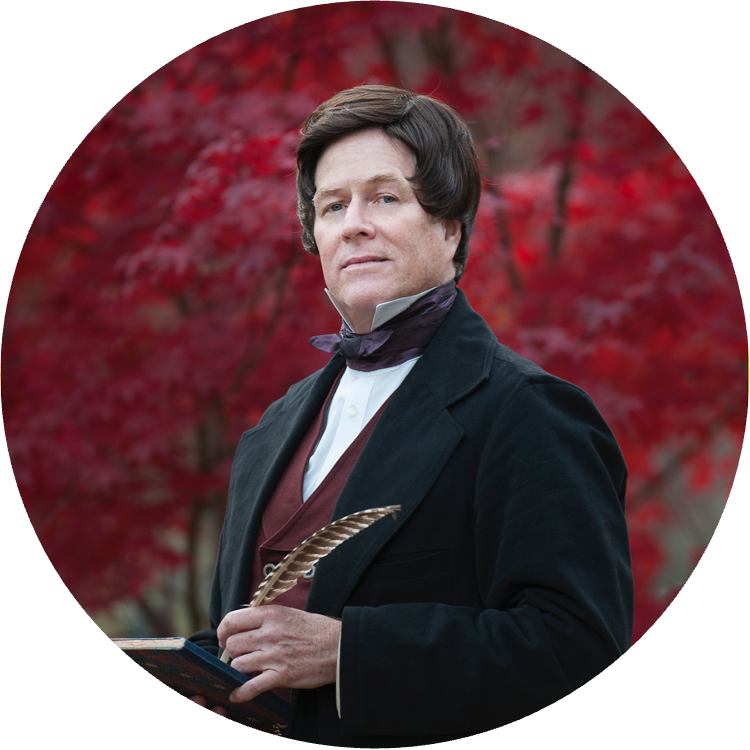
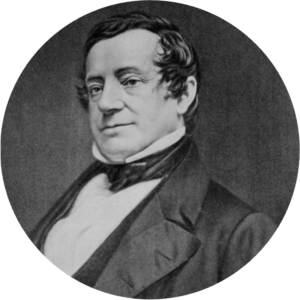
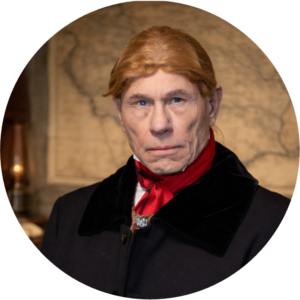
John Anderson

WASHINGTON IRVING
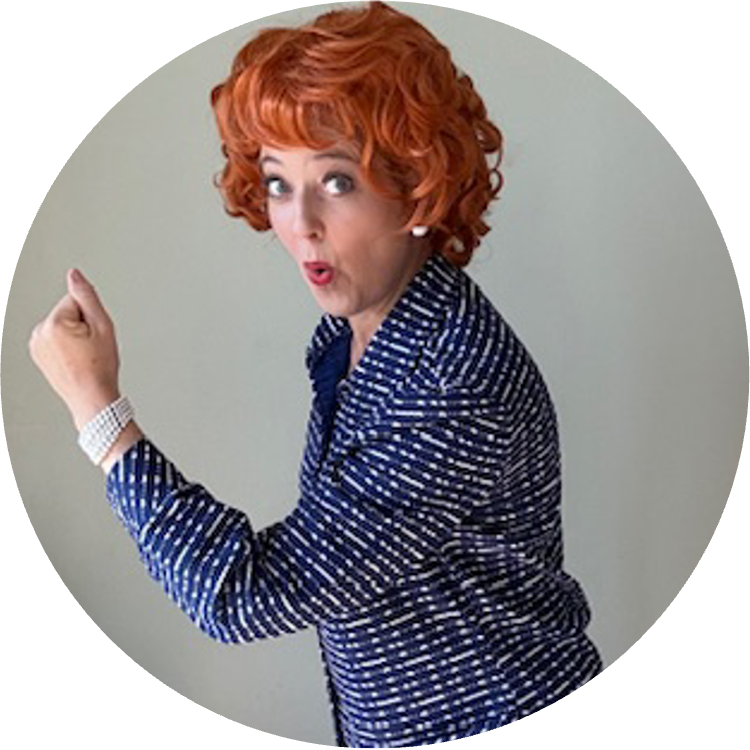
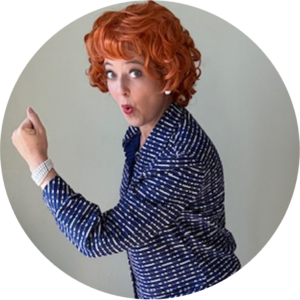
Leslie Goddard

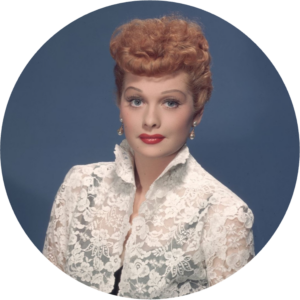
LUCILLE BALL
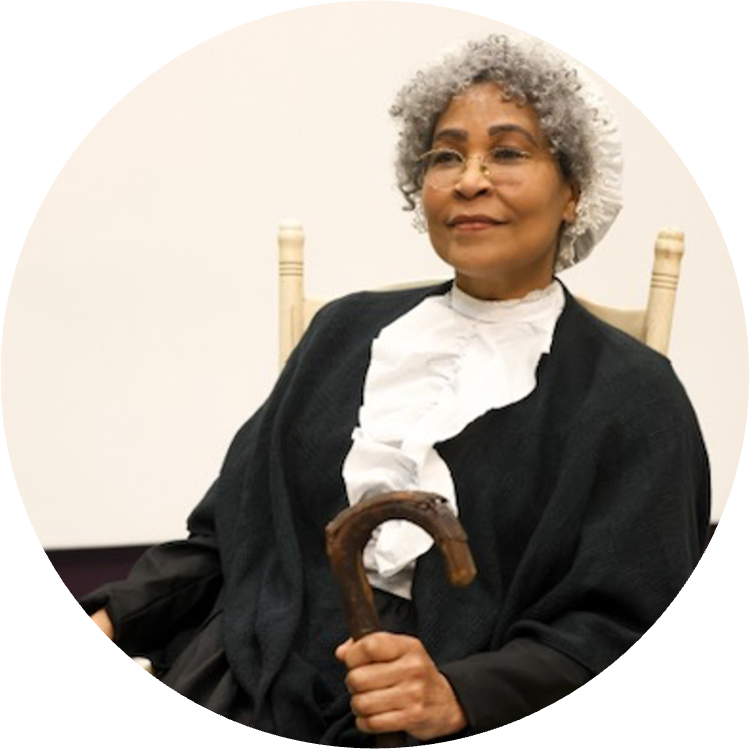
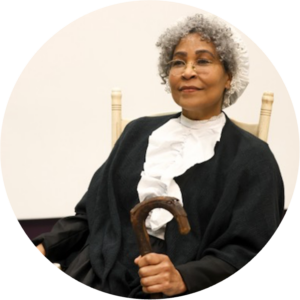
Rebecca Marks Jimerson

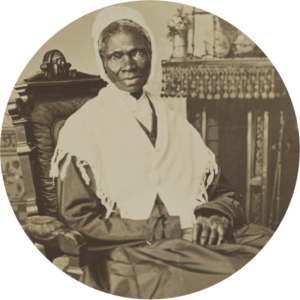
SOJOURNER TRUTH
OUR EVENTS

Workshops

Performance

Tuesday, June 2, 2026

Rebecca Marks Jimerson

Workshop:
Visions of Freedom: The American Experience through Poetry

12:00pm

Tulsa, OK

Inside Museum of Tulsa History

Celebrating American literature in the form of poetry, this workshop will explore the multi-dimensional aspects of the American experience through the interpretive analysis of Freedom poetry from the works of Walt Whitman to Langston Hughes. Celebrating the spirit of independence, self-determination, and unbridled joy. Handouts and audiovisuals.

Leslie Goddard

Workshop:
Television in the 1950s

5:30pm

Tulsa, OK

Inside Museum of Tulsa History

Television came of age in the 1950s. As the number of sets nationwide skyrocketed, studios scrambled to figure out what American viewers wanted to see. Join historian Leslie Goddard to review the shows that captivated viewers in this decade, including situational comedies, game shows, soap operas, and westerns. We’ll explore how these shows both reflected and helped shape the societal landscape in this pivotal era.

Dr. Doug A. Mishler

Performance:
Dr. Doug A. Mishler as William Clark

7:00pm

Tulsa, OK

Under the tent

Workshops

Performance

Wednesday, June 3, 2026

John Anderson

Workshop:
Washington Irving and American Politics

12:00pm

Tulsa, OK

Inside Museum of Tulsa History

This workshop examines Irving’s complex relationship with America’s political parties as they evolved from the early 1800s onward. Irving attended the treason trial of Aaron Burr, was a friend of Dolley Madison, and a diplomat in the administrations of Jackson (serving with Martin Van Buren in London) and Tyler (who appointed him Minister to Spain). His early writing satirized the Jefferson administration, and his final work was a five-volume biography of his namesake George Washington.

Dr. Doug A. Mishler

Workshop:
Triumphs and Travails of the Core of Discovery as an Exploration of the American Spirit

5:30pm

Tulsa, OK

Inside Museum of Tulsa History

We will explore the minute details of the expedition and the incredible journey and how the good fortune that seemed to follow the American spirit and keep all safe from “grizzled” bears, endless boat catastrophes (even though only three of them could even swim), and of course the many encounters with the Native’s –  some friendly, some dangerous, some too friendly.  That no one died (save one from natural causes) is remarkable–and also a lot of fun with near-death encounters.

Rebecca Marks Jimerson

Performance:
Rebecca Marks Jimerson as Sojourner Truth

7:00pm

Tulsa, OK

Under the tent

Workshops

Performance

Thursday, June 4, 2026

Leslie Goddard

Workshop:
Growing Up in the Fabulous ‘50s: The Decade That Changed Us

12:00pm

Tulsa, OK

Inside Museum of Tulsa History

Did you grow up at a time when cars had tailfins, dads wore hats, and moms washed clothes in washing machines with hand wringers? In this nostalgic interactive workshop, we’ll look back at what life was like for kids in the ’50s, from the hairstyles to TV dinners. Try out some 1950s toys, such as paper dolls and Slinkys. Listen to hit songs from Rosemary Clooney and Elvis Presley and revisit favorite dances. However, with the fun, American society underwent dramatic changes in the years following World War II. We will explore some of the most significant developments of this era, including suburbanization, the Baby Boom, and the emergence of teen culture; learn why this era saw the emergence of fast-food restaurants, roadside motels, television, drive-in movies, and rock and roll music, and see how African Americans, especially war veterans, launched the earliest fights for freedom at home.

Susan Marie Frontczak

Workshop:
Who Influenced Eleanor Roosevelt

5:30pm

Tulsa, OK

Inside Museum of Tulsa History

From the children here in Oklahoma with Clara Luper in Oklahoma City, a young Claudette Colvin who at 15 refused to give up her seat on a Montgomery bus, to the Citizenship Education Program throughout the south and its rural coHow did this daughter of high society, immersed through her youth in class and racial prejudices, become a staunch, relentless, and compassionate voice for the poor, the underprivileged, the segregated, the forgotten? Meet several key players who influenced Eleanor Roosevelt’s consciousness and development, including her teacher at finishing school, Mlle. Souvestre; activist Mary Harriman Rumsey; FDR political advisor Louis Howe; groundbreaking educator Mary McCleod Bethune; lawyer, priest, poet Pauli Murray; and three colleagues on the UN’s Human Rights Commission, Renee Cassin, Peng-Chun Chang, and Charles Malik. Broaden your appreciation of many voices that helped move our world toward broader equality.mmunities.  Just who, what and where?

John Anderson

Performance:
John Anderson as Washington Irving

7:00pm

Tulsa, OK

Under the tent

Workshops

Performance

Friday, June 5, 2026

Dr. Doug A Mishler

Workshop:
How the Founding Fathers’ definition of the American experiment collided with Jacksonian American individualism

12:00pm

Tulsa, OK

Inside Museum of Tulsa History

We will take a critical look at Clark’s time after the expedition, when, as territorial governor, he had to juggle protecting Native peoples and securing concessions and peace, while facing the full chaotic power of Jacksonian democracy, which attempted to subvert much of the American individualism that had animated the expedition. The expedition had been driven by a form of individualism that entailed a complete rejection of any authority that constrained individual desires — in a way, a lesson for today, when the welfare of the group became secondary to the individual’s desires.  It will turn Clark’s later years, which had made him a hero in Missouri territory, into a villain, labeled an “Indian lover.” 

John Anderson

Workshop:
Retracing Irving’s Tour on the Prairies

5:30pm

Tulsa, OK

Inside Museum of Tulsa History

This workshop examines the Irving party’s journey through Indian Territory (present-day Oklahoma) in 1832, comparing accounts from the journals of party members, including Commissioner of Indian Affairs Henry Ellsworth, Charles J. Latrobe, and Comte Albert de Pourtales, each of whom published their own versions of the adventure. The juxtaposition of multiple accounts creates a Rashomon-like effect, adding dimension to Irving’s polished narrative, A Tour on the Prairies.

Susan Marie Frontczak

Performance:
Susan Marie Frontczak as Eleanor Roosevelt

7:00pm

Tulsa, OK

Under the tent

Workshops

Performance

Saturday, June 6, 2026

Susan Marie Frontczak

Workshop:
Hammering Out Human Rights

12:00pm

Tulsa, OK

Inside Museum of Tulsa History

Eleanor Roosevelt continually looked to the future, to encourage us toward becoming “a more perfect union.” She considered her most significant contribution to be shepherding the development of the Universal Declaration of Human Rights (UDHR) while serving as a delegate to the United Nations. Mrs. Roosevelt makes a strong case that securing the rights enshrined in the UDHR for people in the U.S. is more important to America’s role in international relations than economic or military superiority, because the only way to encourage other democracies is to lead by example.  In this workshop, participants are invited to develop their own list of rights they believe belong to every person.  The rights the participants define will be mapped to and/or compared to the rights in the UDHR. There may be time for discussion to surface different perspectives and highlight the challenges of resolving them.

Rebecca Marks Jimerson

Workshop:
America’s Collective Oral History

5:30pm

Tulsa, OK

Inside Museum of Tulsa History

The historic and modern stories of Oklahomans serve as an inspiration to others. Whether your stories manifest as fiction, memoir, letters, or journal entries, participants will tap into and express stories lived, imagined, and remembered, discovering the role of oral history through our ancestors. Handouts and audio visuals, Common Ground: How the Negro League changed baseball — and America. Participants will explore the history of the Negro League Baseball. Handouts and audiovisuals.

Leslie Goddard

Performance:
Leslie Goddard as Lucille Ball

7:00pm

Tulsa, OK

Under the tent

SCHOLARS & HISTORICAL FIGURES

John Anderson

John Dennis Anderson is a retired professor of performing arts and communication studies and an acclaimed scholar performer known for bringing major literary and historical figures to life on stage. A
longtime Emerson College faculty member, he has appeared in Oklahoma Chautauquas and cultural programs nationwide, portraying figures such as Henry James, William Faulkner, Robert Frost, and Lynn Riggs.

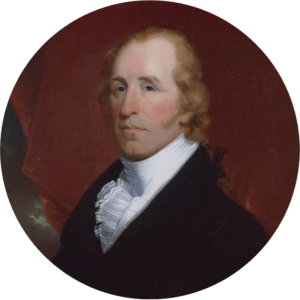
Washington Irving

Washington Irving was one of America’s first internationally recognized authors and helped establish a uniquely American voice in literature during the early 19th century. Through works such as The Legend of Sleepy Hollow and Rip Van Winkle, Irving blended folklore, humor, and historical imagination to create enduring stories rooted in American landscapes and traditions. His writings helped shape early national identity by celebrating American settings and characters while introducing American literature to global audiences. In addition to his literary achievements, Irving served as a diplomat and historian, contributing to the cultural and intellectual development of the young United States.

Susan Marie Frontczak

For 33 years, Susan Marie Frontczak has brought history and literature to life. She has presented at schools, libraries, theaters, and corporations across forty-three of the United States, Canada, and Europe. Her motto is, “Give me a place to stand, and I will take you somewhere else.”

Eleanor Roosevelt

Eleanor Roosevelt was a humanitarian, diplomat, and one of the most influential First Ladies in American history. During her time in the White House, she redefined the role of First Lady by actively engaging in public policy, advocating for social reform, and traveling extensively to observe conditions affecting ordinary Americans. Following her tenure, she played a central role on the international stage as a delegate to the United Nations and chair of the committee that helped draft the Universal Declaration of Human Rights. Through her leadership, writing, and advocacy, Roosevelt expanded public expectations of civic leadership and helped shape America’s role in advancing democratic ideals at home and abroad.

Leslie Goddard

Leslie Goddard, Ph.D., is an award-winning scholar and actress who has been portraying great women in history for more than twenty years. Before launching her full-time business as a historical interpreter and lecturer, she worked for more than a decade at Chicago-area history museums. With a calendar that now includes thousands of lectures and performances, Leslie is known for her engaging programs that blend memorable stories with historical insight. Her roster of characters includes Amelia Earhart, Jackie Kennedy, Julia Child, Lady Bird Johnson, Rachel Carson, Lucille Ball, and Georgia O’Keeffe.

Leslie is also the author of three books on Chicago history and appears regularly in the popular press discussing her research on midcentury popular culture and American women’s history. In addition to both a B.A. and an M.A. in theater, Leslie holds an interdisciplinary Ph.D. from Northwestern University, as well as an M.A. in museum studies. Her website is www.lesliegoddard.info.

Lucille Ball

Lucille Ball was an actress, comedian, and pioneering television producer whose career reshaped the American entertainment industry in the mid-20th century. As the star and creative force behind I Love Lucy, she helped define the modern television sitcom and brought innovative production techniques, including the use of the three-camera filming format before a live audience, into mainstream television. As co-founder and later head of Desilu Productions, she became one of the first women to run a major television studio and helped bring influential programs such as Star Trek and Mission: Impossible to the screen. Through her creativity, business leadership, and cultural impact, Ball helped establish television as a central institution in American life and entertainment.

Rebecca Jimerson

Rebecca Marks Jimerson is an educator, community engager, cultural storyteller, and performer.  She graduated from the University of Oklahoma (B.A.), and attended Oklahoma State University post-graduation (M.S.).

Rebecca is the former chair of Historic Greenwood Chamber of Commerce Black Wall Street, Tulsa Oklahoma, one of the oldest African American chambers of commerce. Rebecca co-wrote the play “Resurrecting Black Wall Street,” based on the 1921 race massacre; it was premiered at the Tulsa Performing Arts Center, February 2019.

Currently, Rebecca is adjunct communications instructor and curriculum developer, Southern Nazarene University, and provides community engagement for the Tulsa County sheriff’s office. She serves on the Dr. Martin Luther King Jr., Commemoration Society, Tulsa Arts Council, Arts Alliance Tulsa, and the Booker T. Washington Foundation for Excellence.

Sojourner Truth

Sojourner Truth was an abolitionist, women’s rights advocate, and powerful public speaker whose life and work helped shape the nation’s moral and political dialogue in the 19th century. Born into slavery in New York, she gained her freedom and devoted her life to speaking across the country about justice, equality, and the promise of American democracy. Her speeches, including the famous “Ain’t I a Woman?” address, challenged Americans to confront contradictions between the nation’s ideals and the realities faced by many of its people. Through her advocacy and moral leadership, Truth helped broaden national conversations about liberty, citizenship, and the meaning of equality in American society.

Dr. Doug A. Mishler

Since 1993 when he accidentally became P. T. Barnum, Doug has toured the country “bringing history to life” with a rogue’s gallery of characters.  Doug has made over 800 presentations of over 30 historical figures including Nikita Khrushchev, Theodore Roosevelt, Ernie Pyle, Pablo Picasso, Henry Ford, Jackson Pollock, Sir Ernest Shackleton, Chuck Yeager, Gene Roddenberry, and Earl Warren.  Yes, you’re correct, Doug hears voices, but only 30 of them are actually historical characters—the others we don’t talk about. 

He is also the founder and managing artistic director of Restless Artists’ Theatre in Reno.  He taught American cultural history for over 23 years.  And no, he does not have a real job!

William Clark

William Clark was an American explorer, soldier, and government official best known for co-leading the Lewis and Clark Expedition from 1804 to 1806. Commissioned by President Thomas Jefferson after the Louisiana Purchase, Clark and Meriwether Lewis led the Corps of Discovery across the North American continent to the Pacific Ocean, documenting geography, wildlife, and the cultures of Indigenous nations along the way. The expedition provided critical knowledge about the vast western territories and helped open pathways for exploration, trade, and settlement. In later years, Clark continued to shape the expanding nation as governor of the Missouri Territory and Superintendent of Indian Affairs, influencing early federal relations with Native American nations.